Artist’s Statement
(director Jen Heck)
My process begins from the vantage point of the outsider; the quiet observer in search of a universal truth that might otherwise be overlooked or misunderstood. I have often been the outsider, and that’s where my relationship with Prince began. Before he was an insider, Prince was an outsider. He understood what it meant to feel disconnected, and that understanding gave him the power to connect deeply with really different kinds of people, both through his music and through his giving. He saw invisible people, and he sang to them. They heard. A different kind of star was born.
In the beginning, I was one of those people. As a young girl who struggled with everything from living in an unfamiliar country to managing a bad perm, I had resigned early on that being cool or pretty was not in the cards for me. I was opinionated, but I seemed to understand nothing about life (or hair fashion), so by ten I had accepted the fact that I’d probably be a politician. It was a chance encounter with Prince’s music--which at early 90s middle school was not considered cool--that awoke my inner artist. As a filmmaker, I find that I am still a politician, but my medium for change is art, not quorum. And as an artist, I am able to make promises that I can keep.
The idea for this film springs from a place of promise, in all its iterations: the promise to reveal an unknown part of someone we all thought we knew, and a promise I made to that same guy years ago, when he unintentionally saved me from becoming an artless campaigner dependent on bureaucracy to make my points.
I first met Prince when I was just a teenager; an aspiring camera kid with a passion for art and music, and a determination to see concerts I couldn’t afford. The plan was to take pictures for magazines with dubious credentials, and it worked. There was Ani, Foo Fighters, Beastie Boys, Alanis, and more. It was all a gift, but one night it was something more. One night, I found myself summoned by Prince at the Palladium. He wanted to know my full name, Jenifer Mary Heck. A gentleman with an eye for a fellow outsider, he never asked why I was wearing knee socks with shorts. We talked for a while, and it changed everything. Earlier that night, he’d sung about the “Strays of the World,” and there I was in front of him, a stray he’d called home.
My work in the years that followed rarely intersected with what Prince was doing. I came to find my own voice, and a thematic focus that was more feminist than funky. I’m not a musician in any way, but my work became its own kind of music. It’s given me the platform to take a stand when necessary, and to change more minds than legislation ever could. Maybe one day, it will change legislation.
When Prince died, the family approached me to do a memorial film about an unknown but important part of who he was. We didn’t have much time, but the idea was to tell the world that the amazing artist we all thought we knew was actually…even more. He, too, was a politician of sorts. He hated politics, but he couldn’t ignore injustice. For decades it seemed like his music was full of mystery and poetry, but it was all right there. When he said, “you better run to the light,” he meant just that. “Peace is more than the absence of war…does anybody hear us pray?”
Prince put music together that changed the way I saw the world. I hope to return the favor, and to tell his whole story--to change the way the world sees Prince.
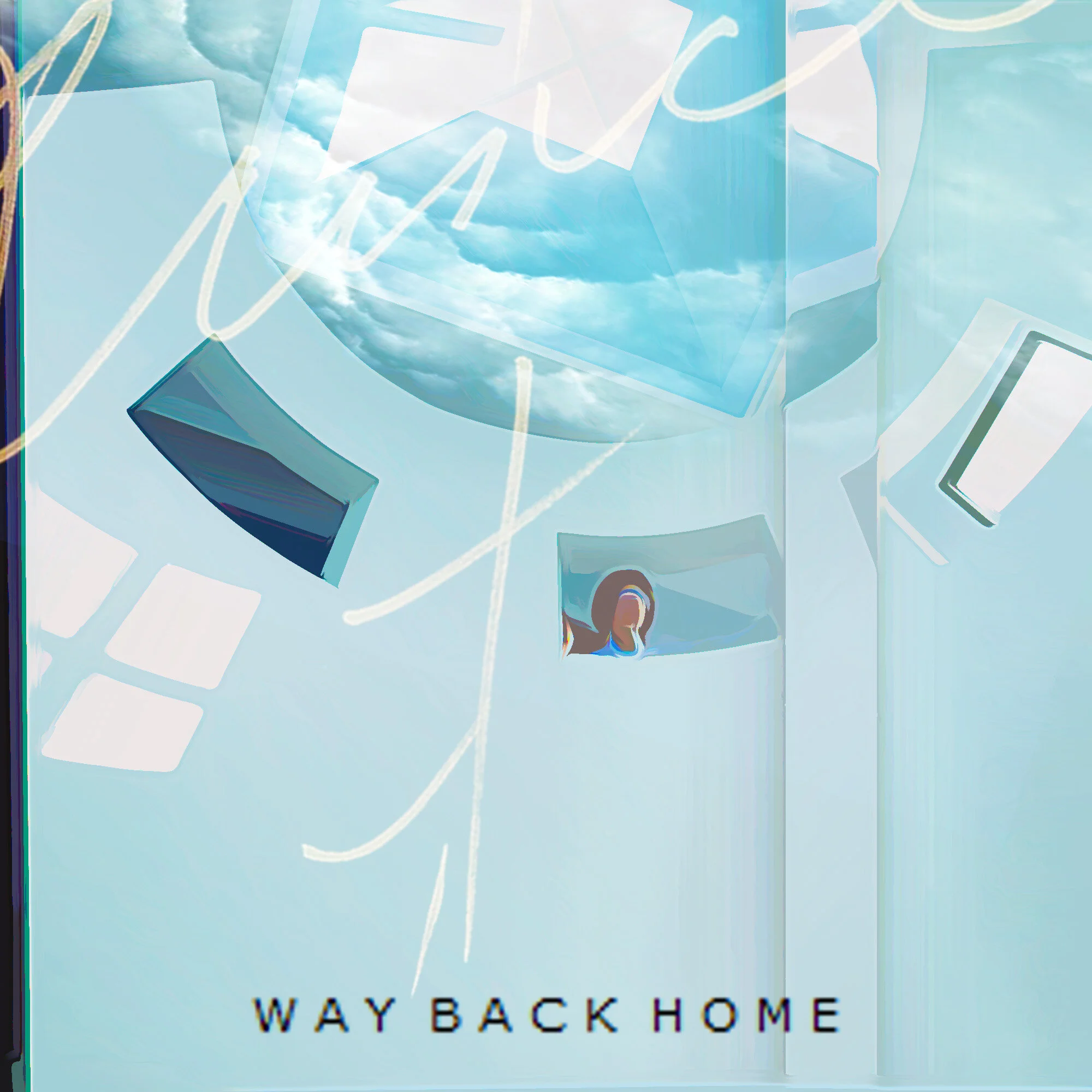
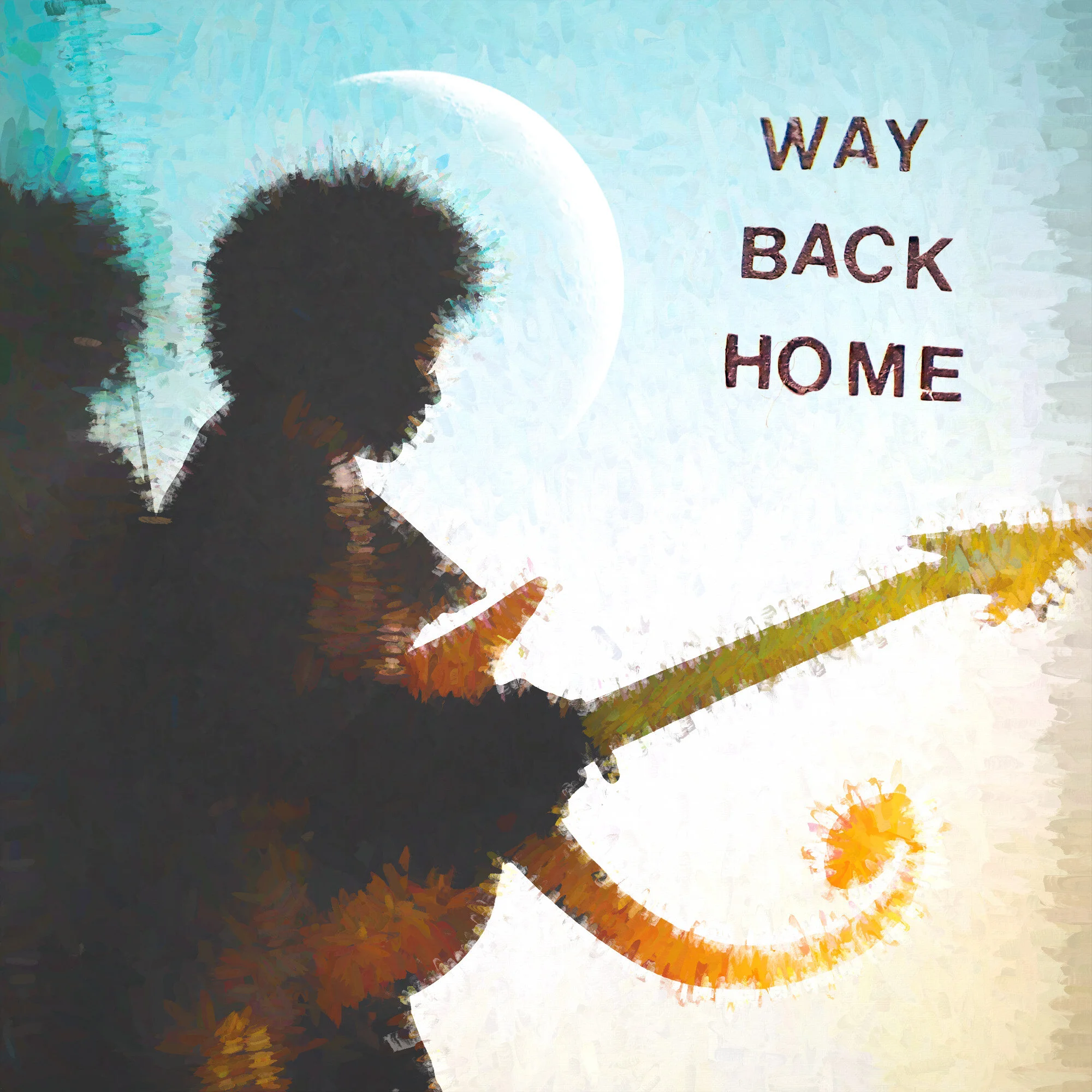
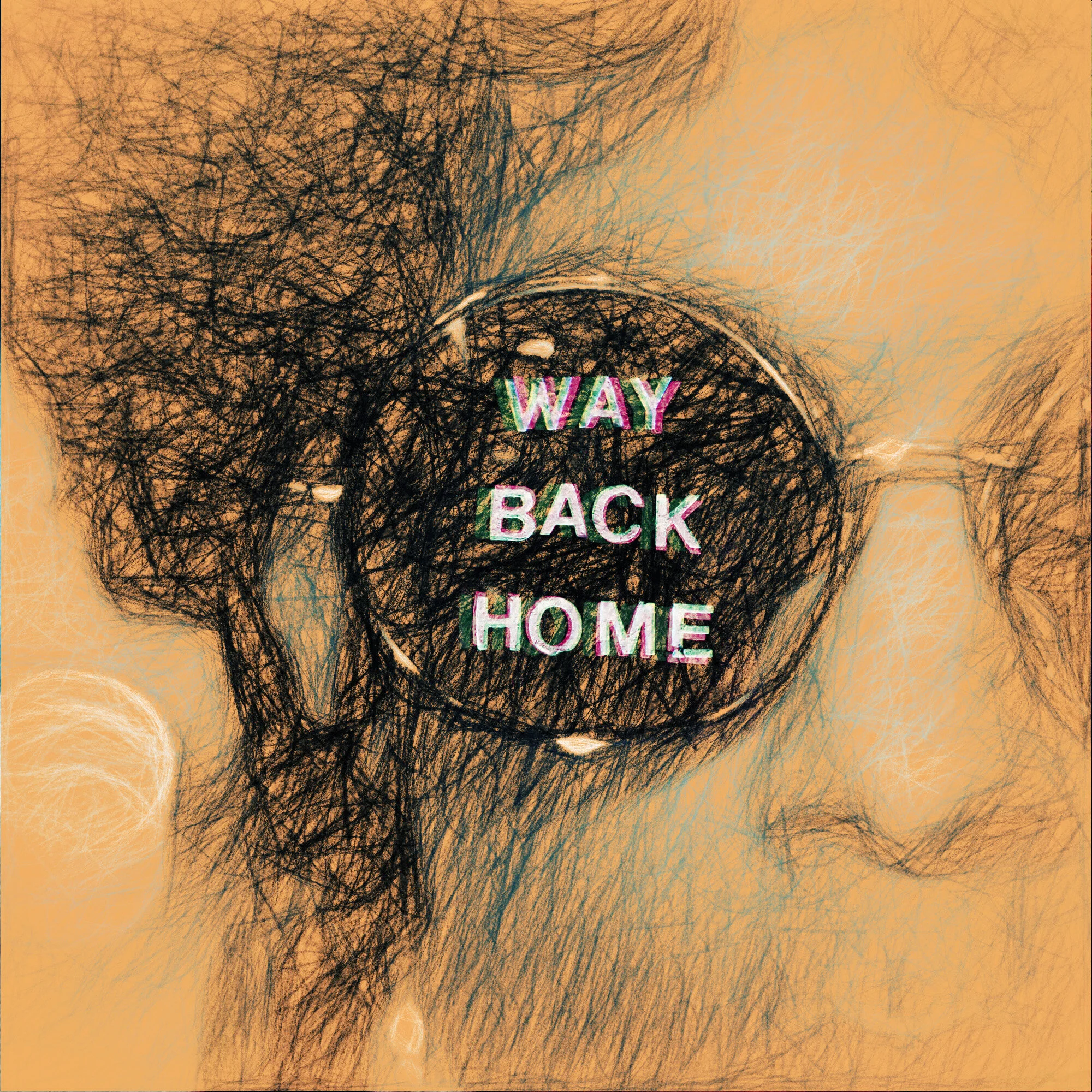
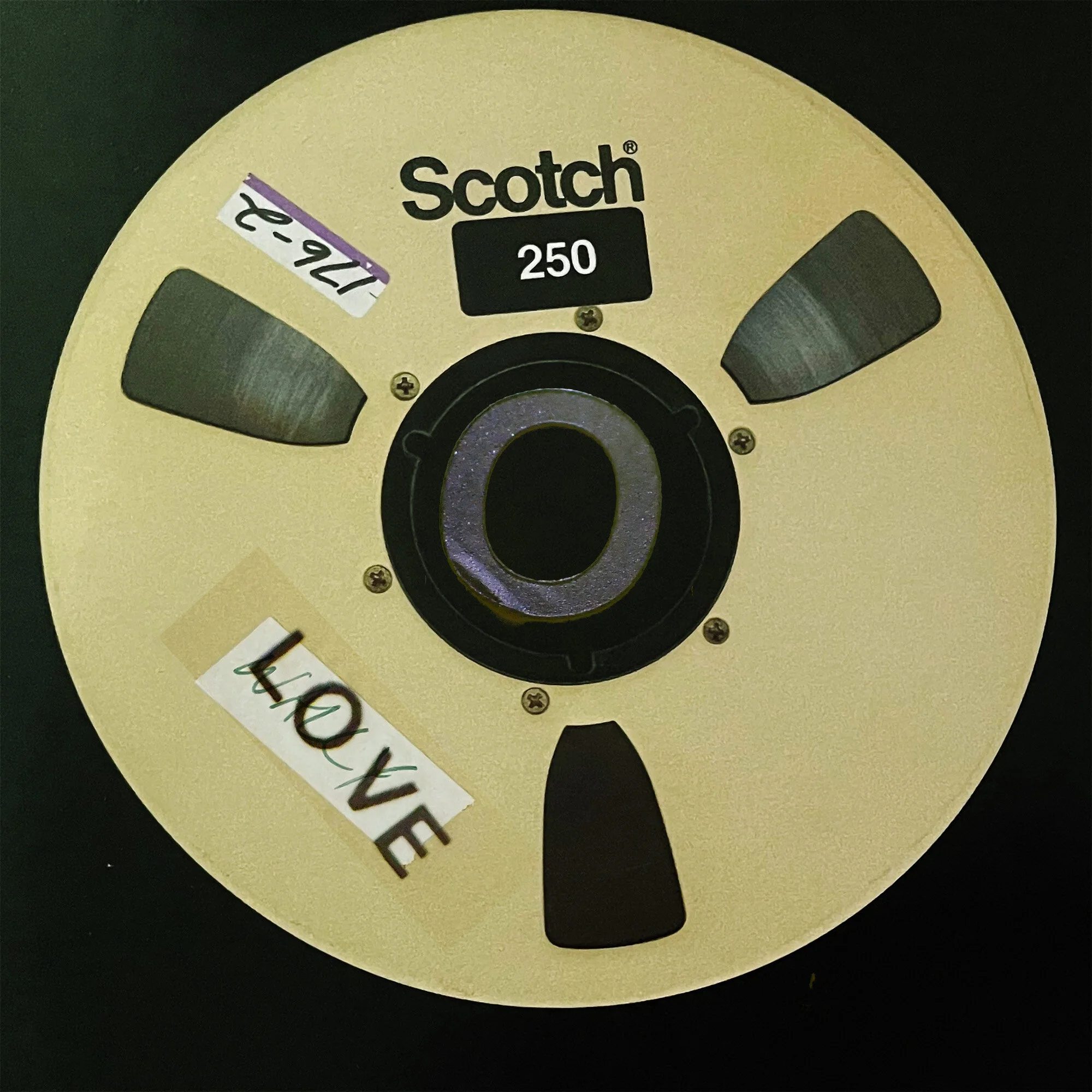
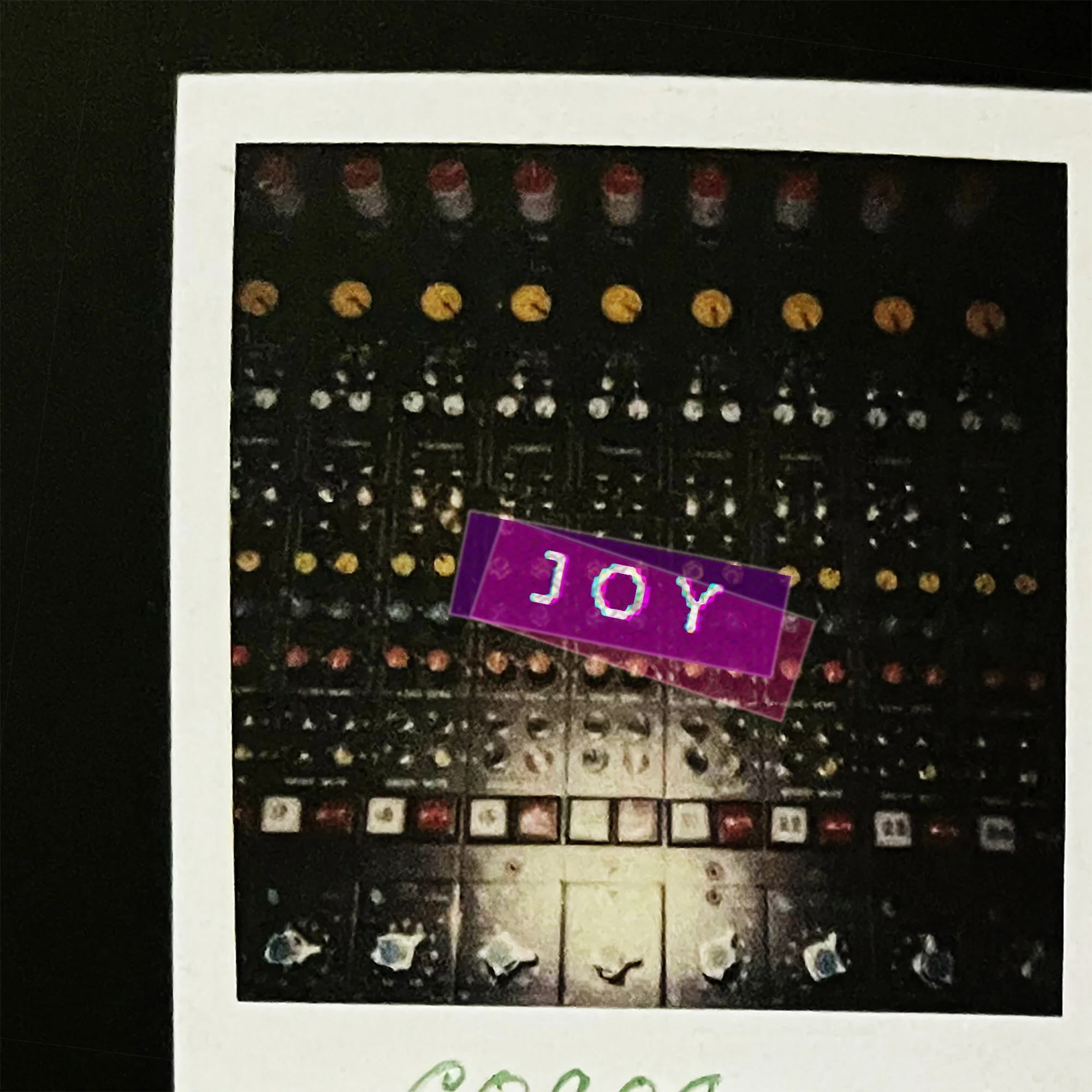
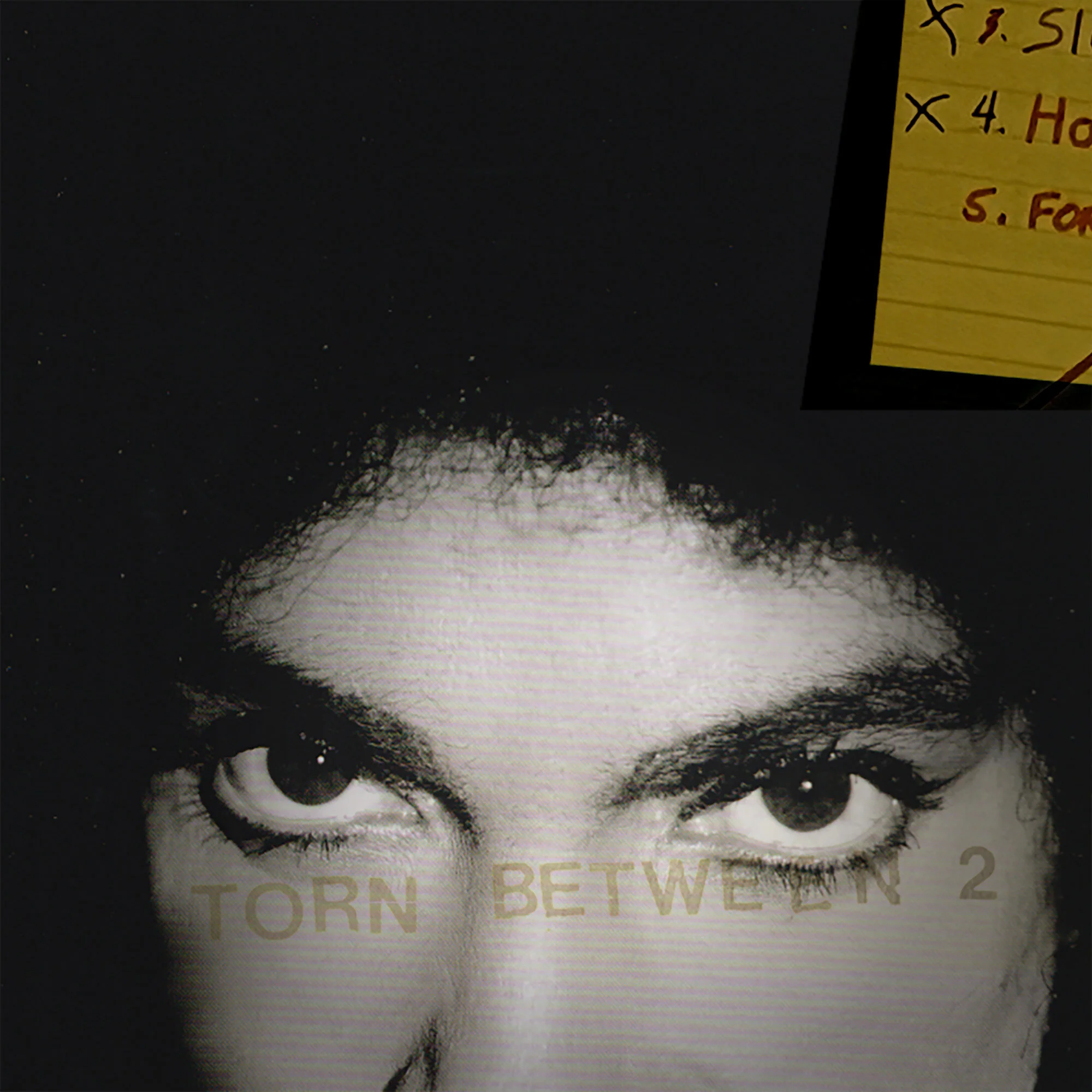
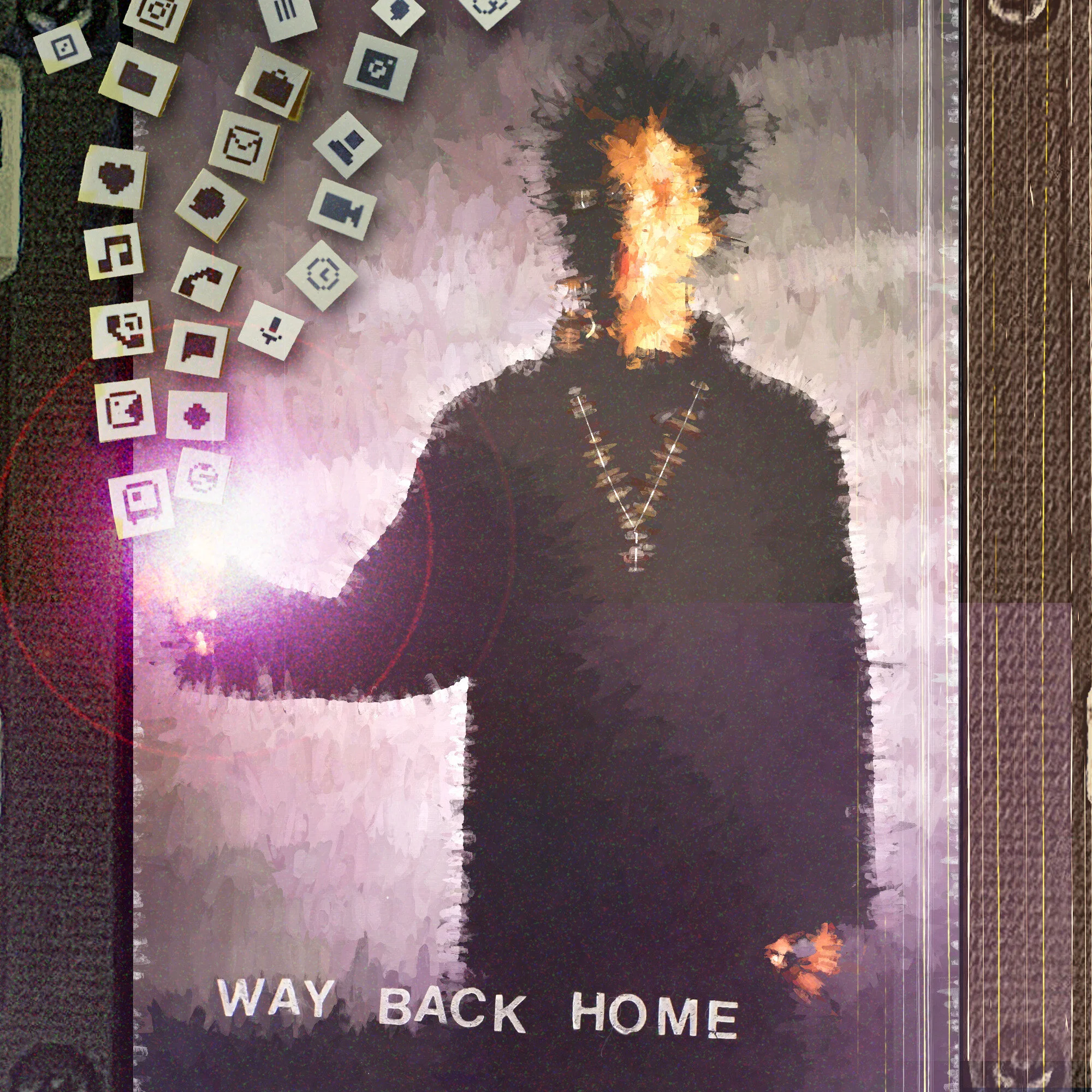
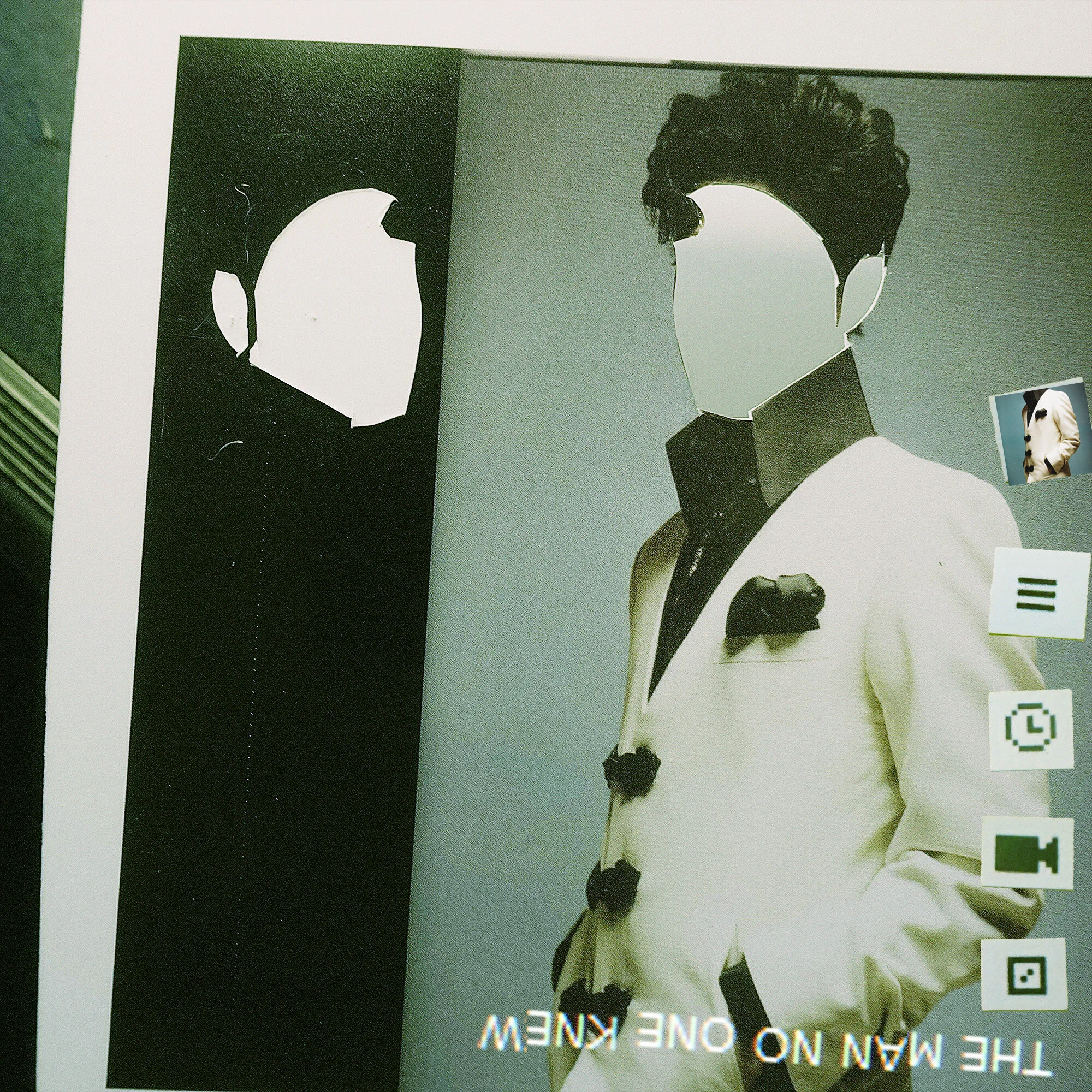
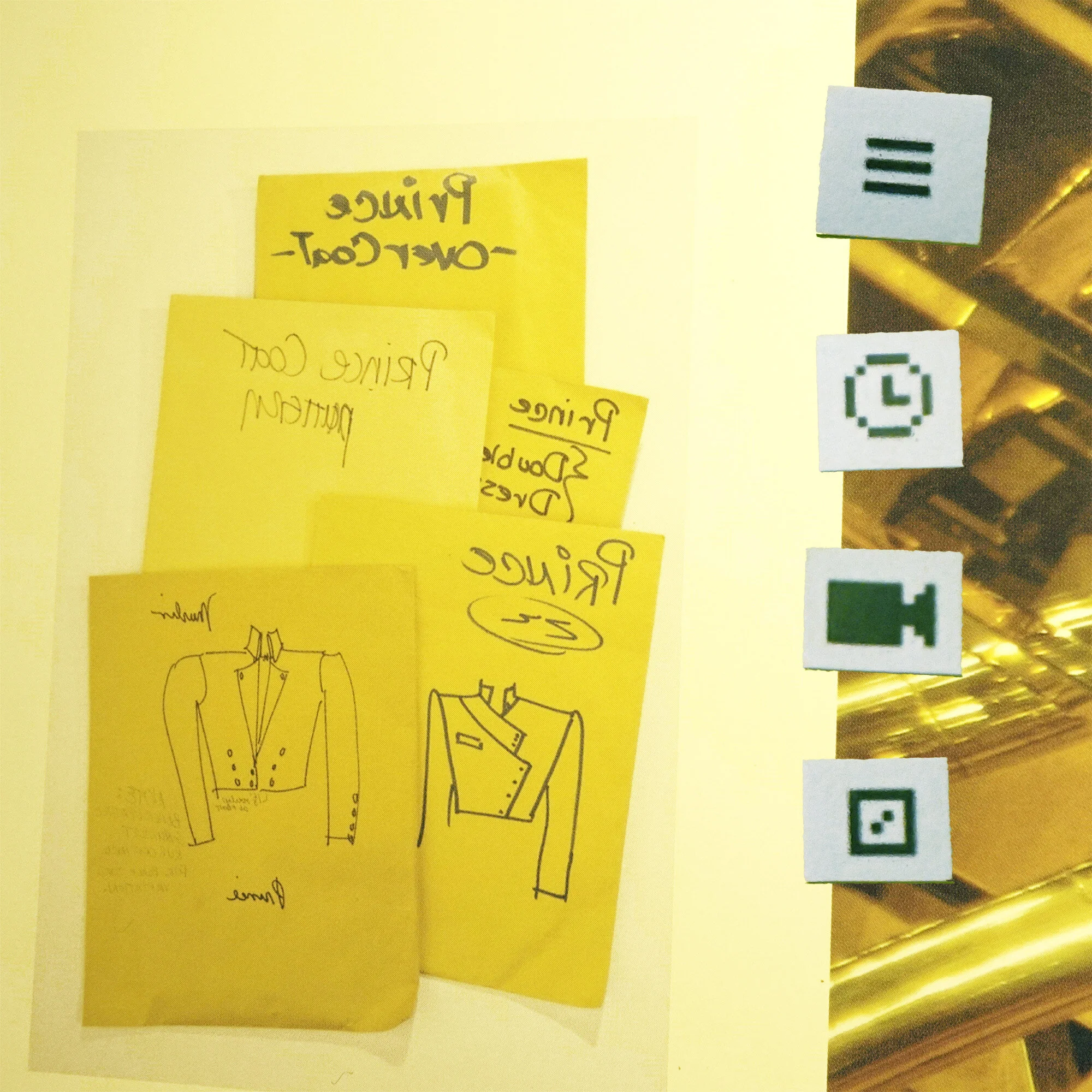
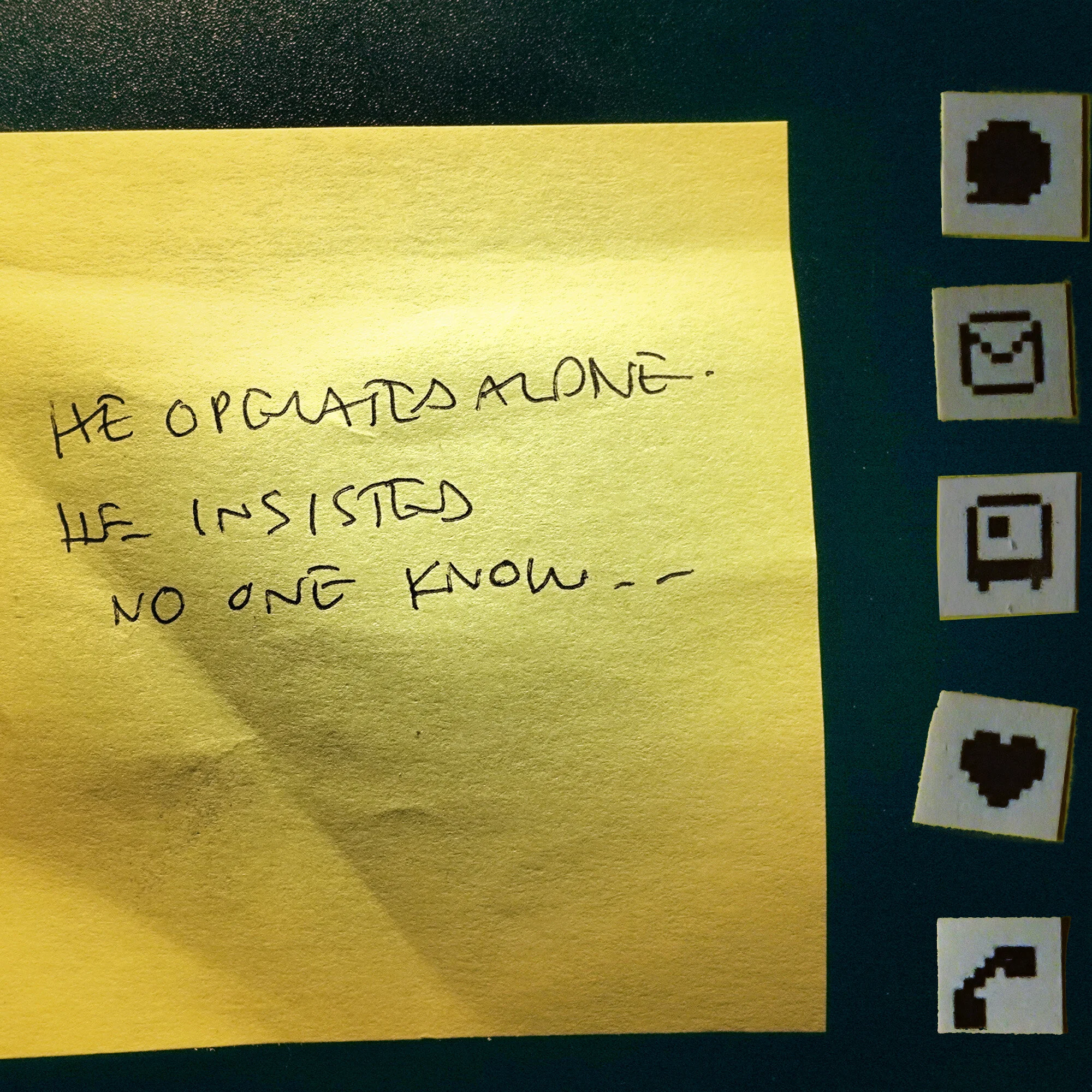
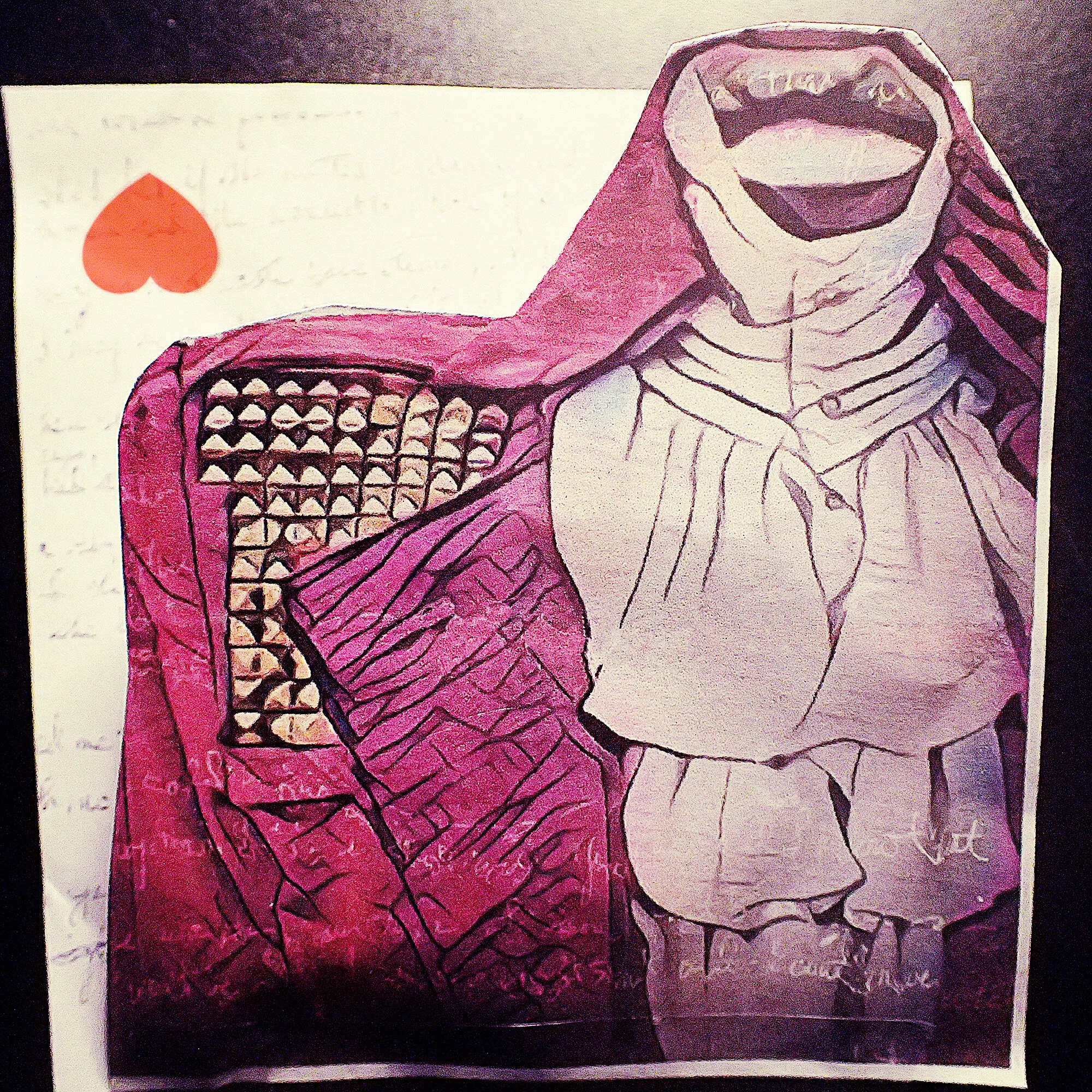
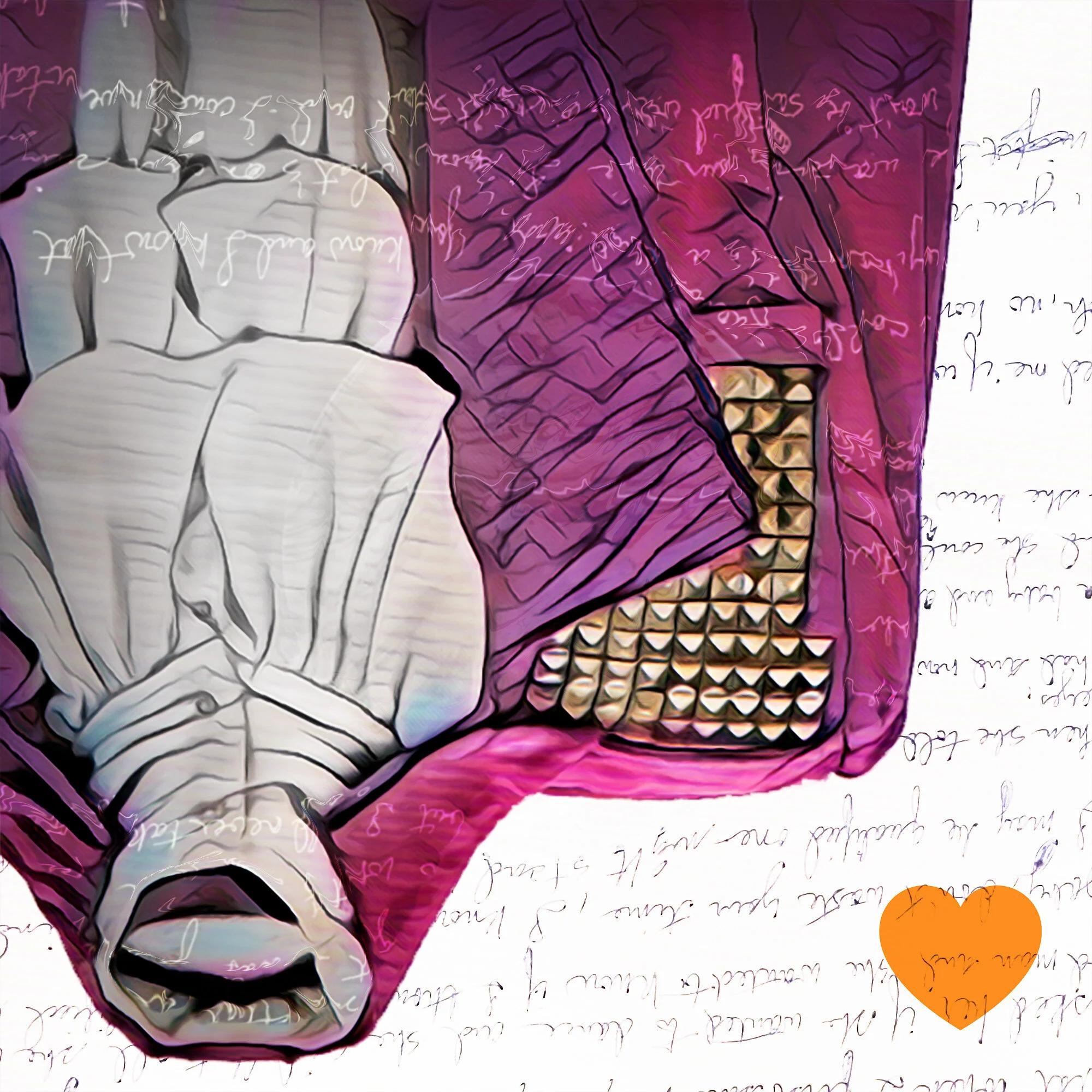
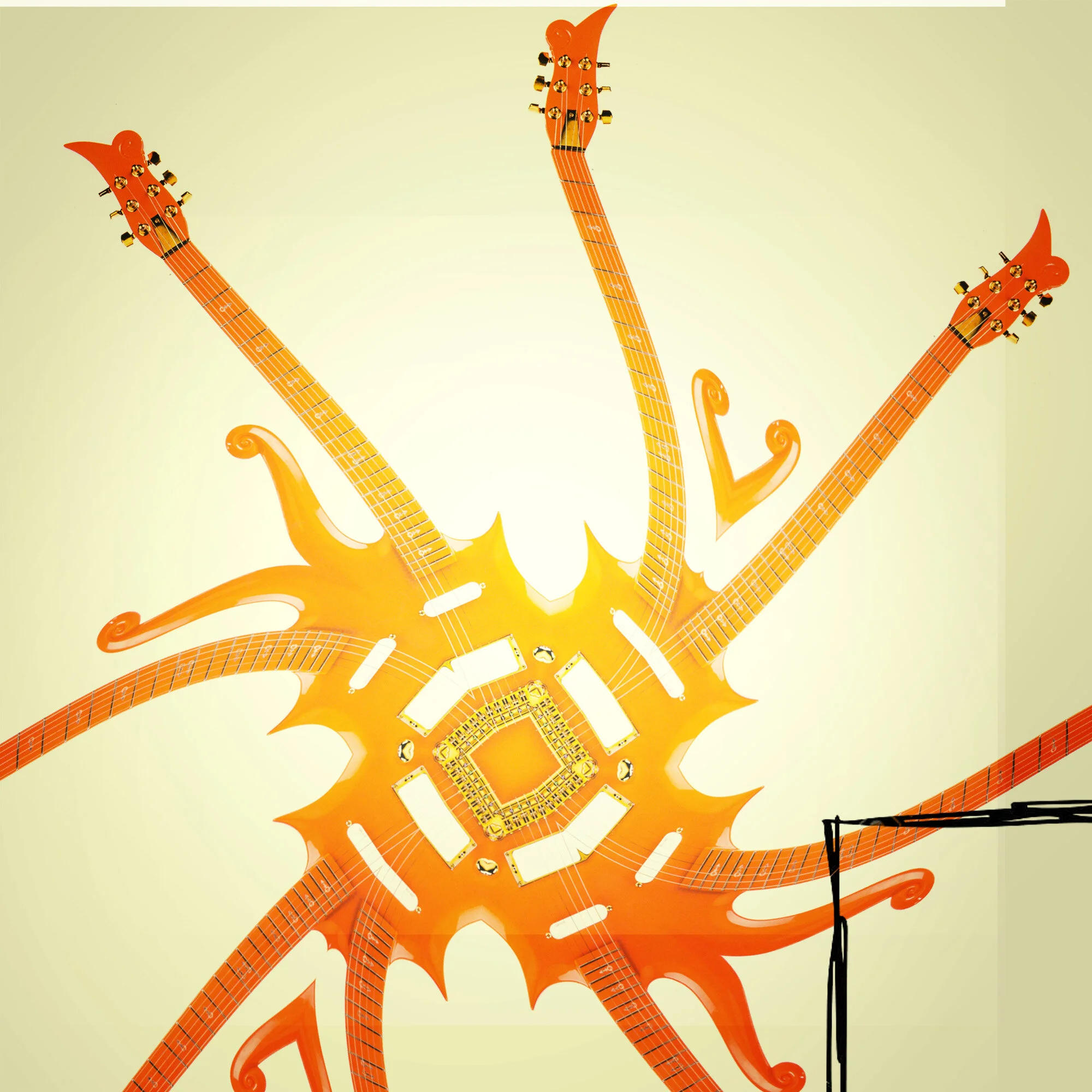
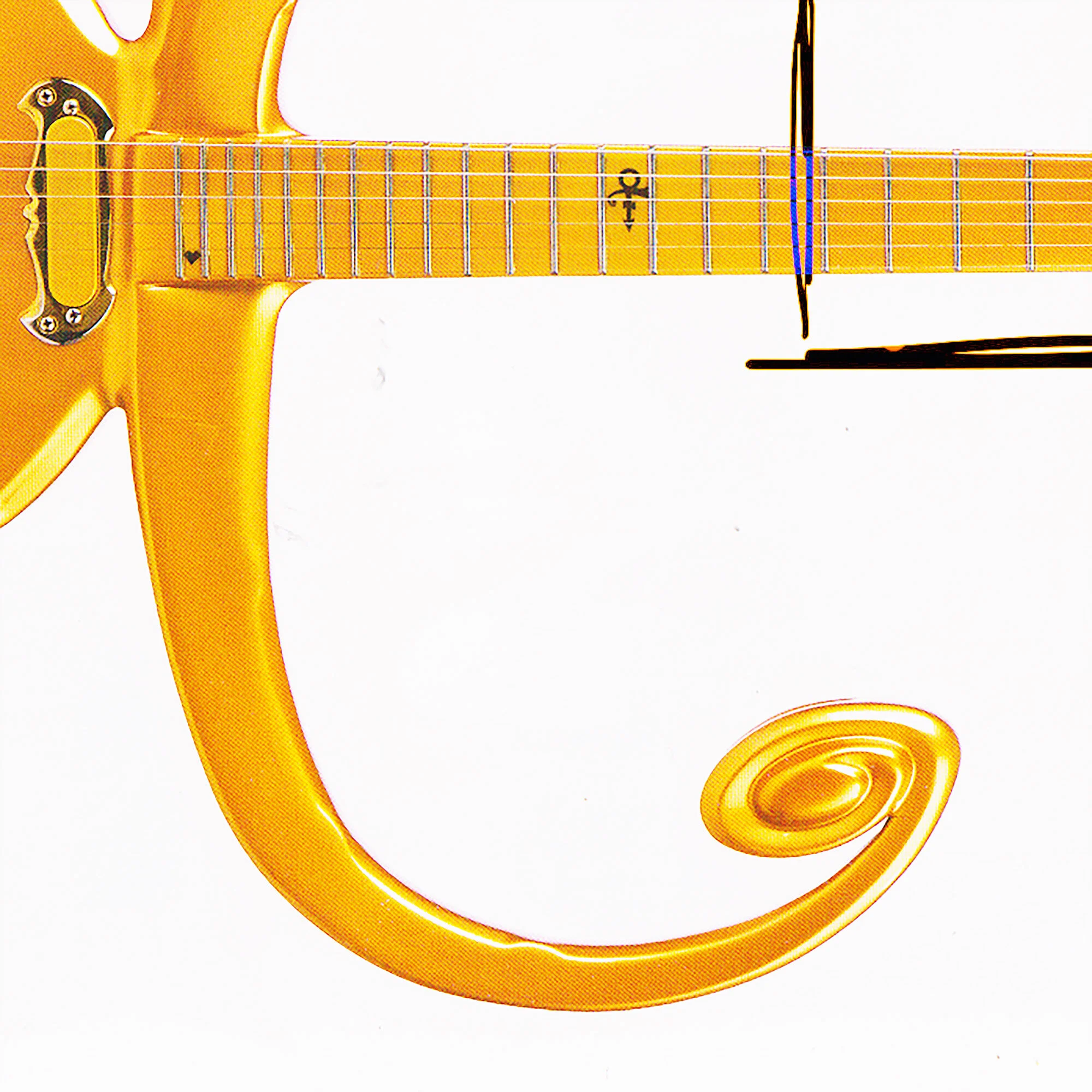
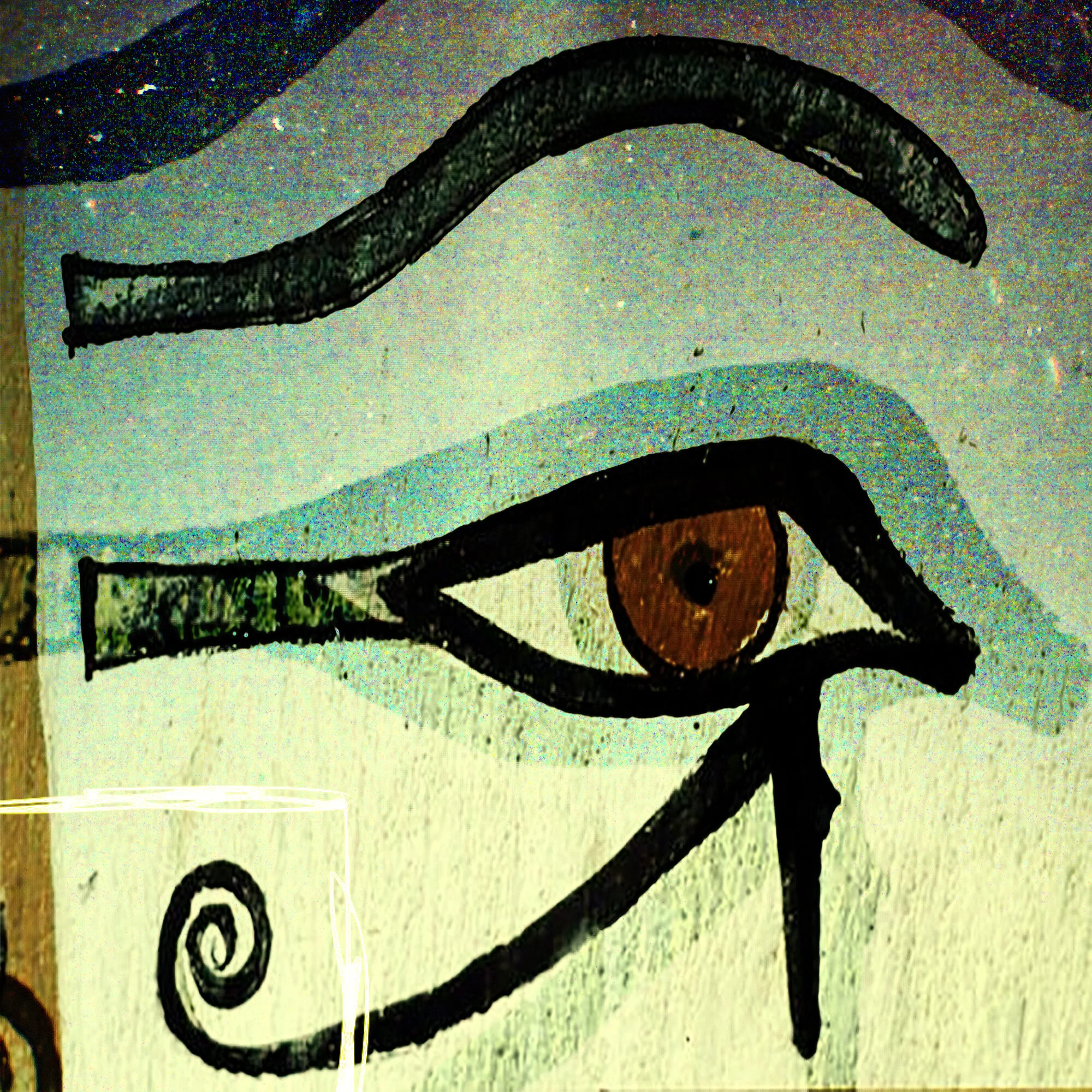
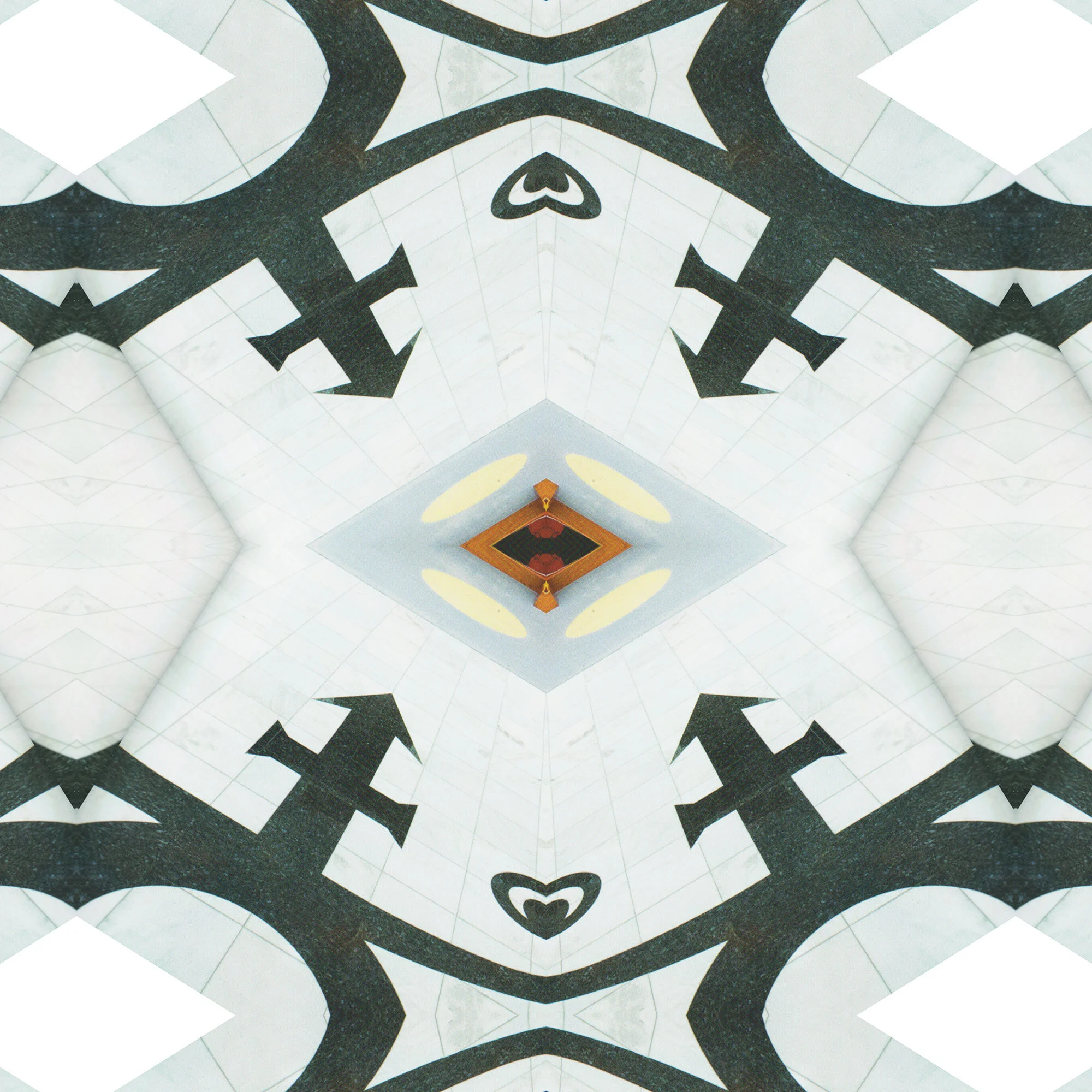
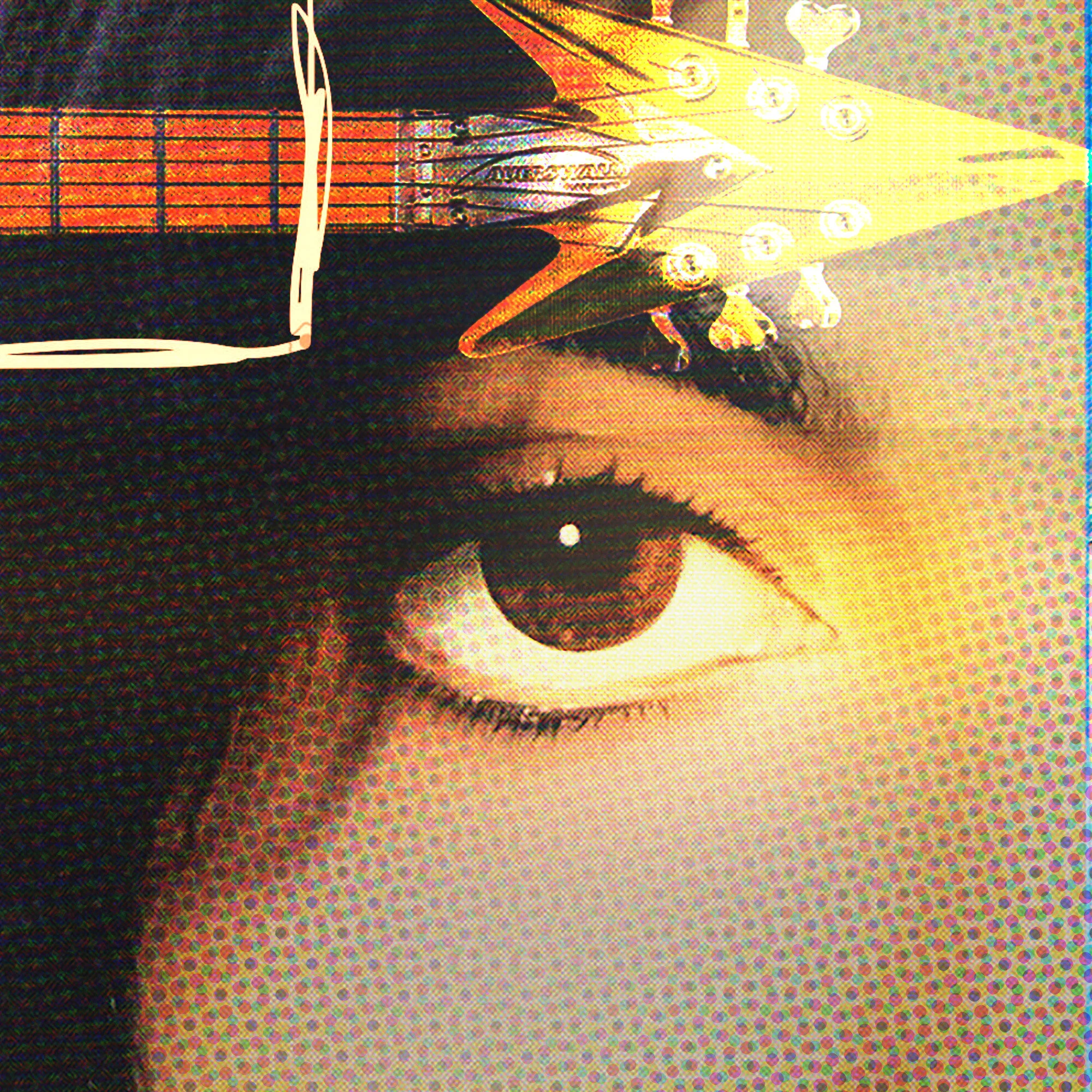
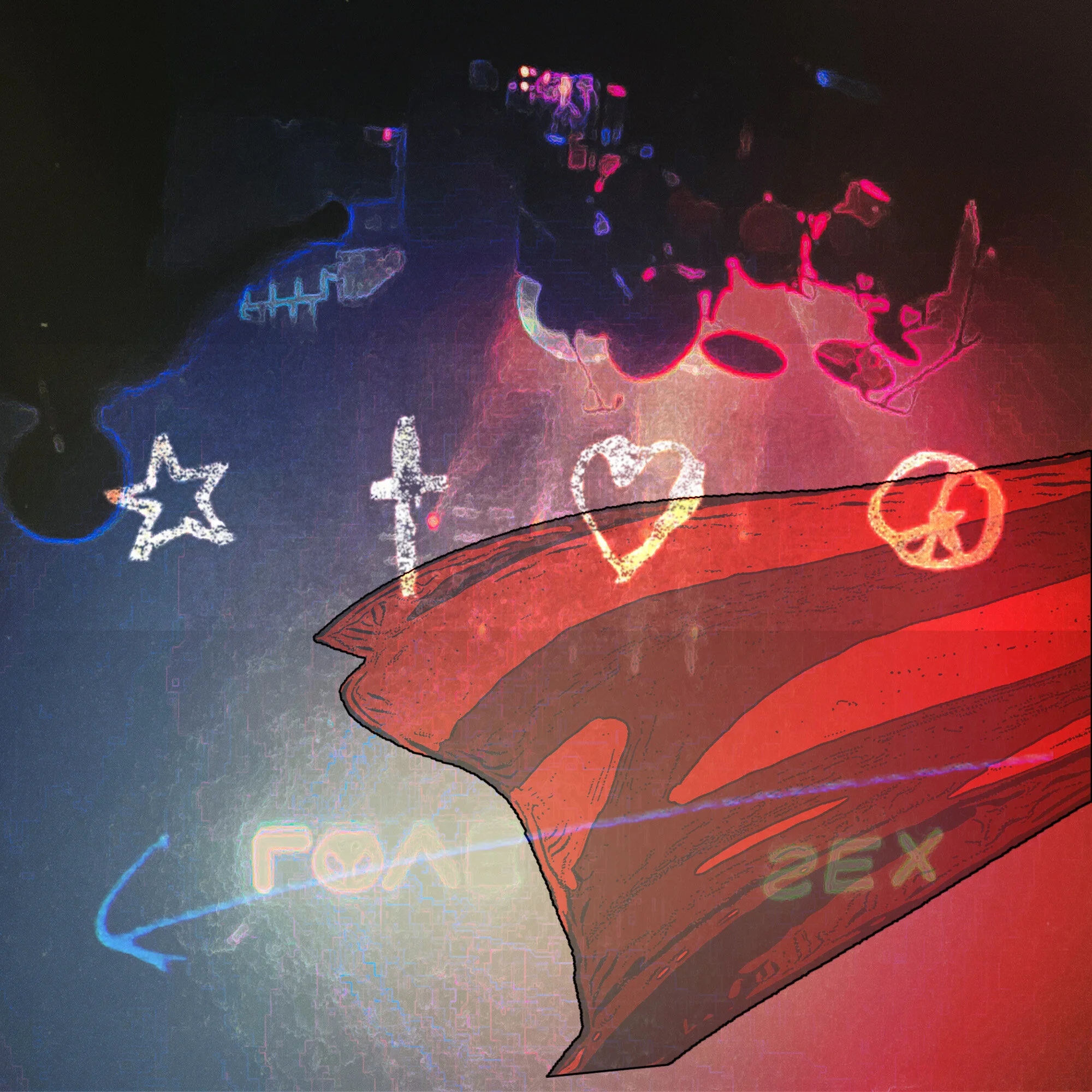
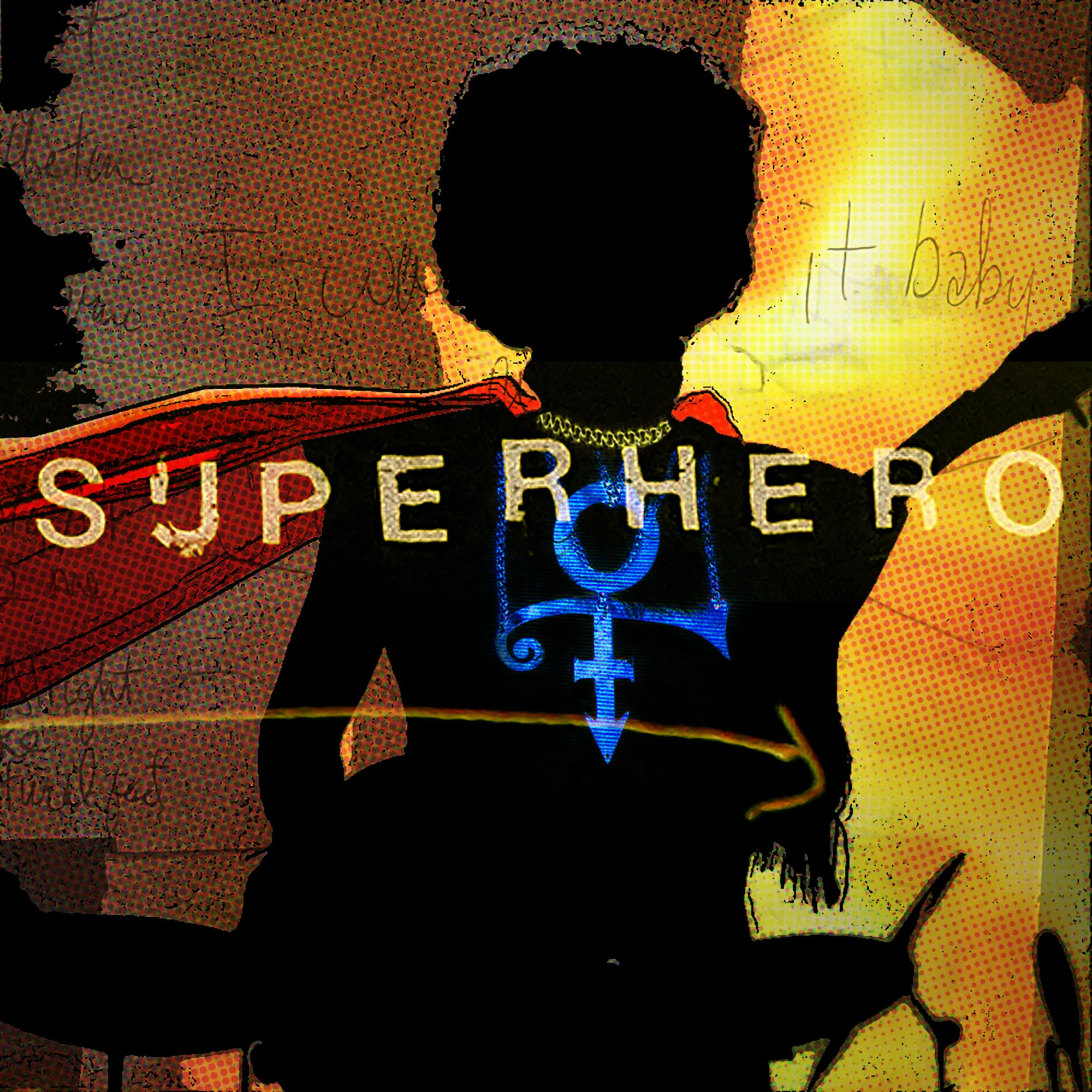
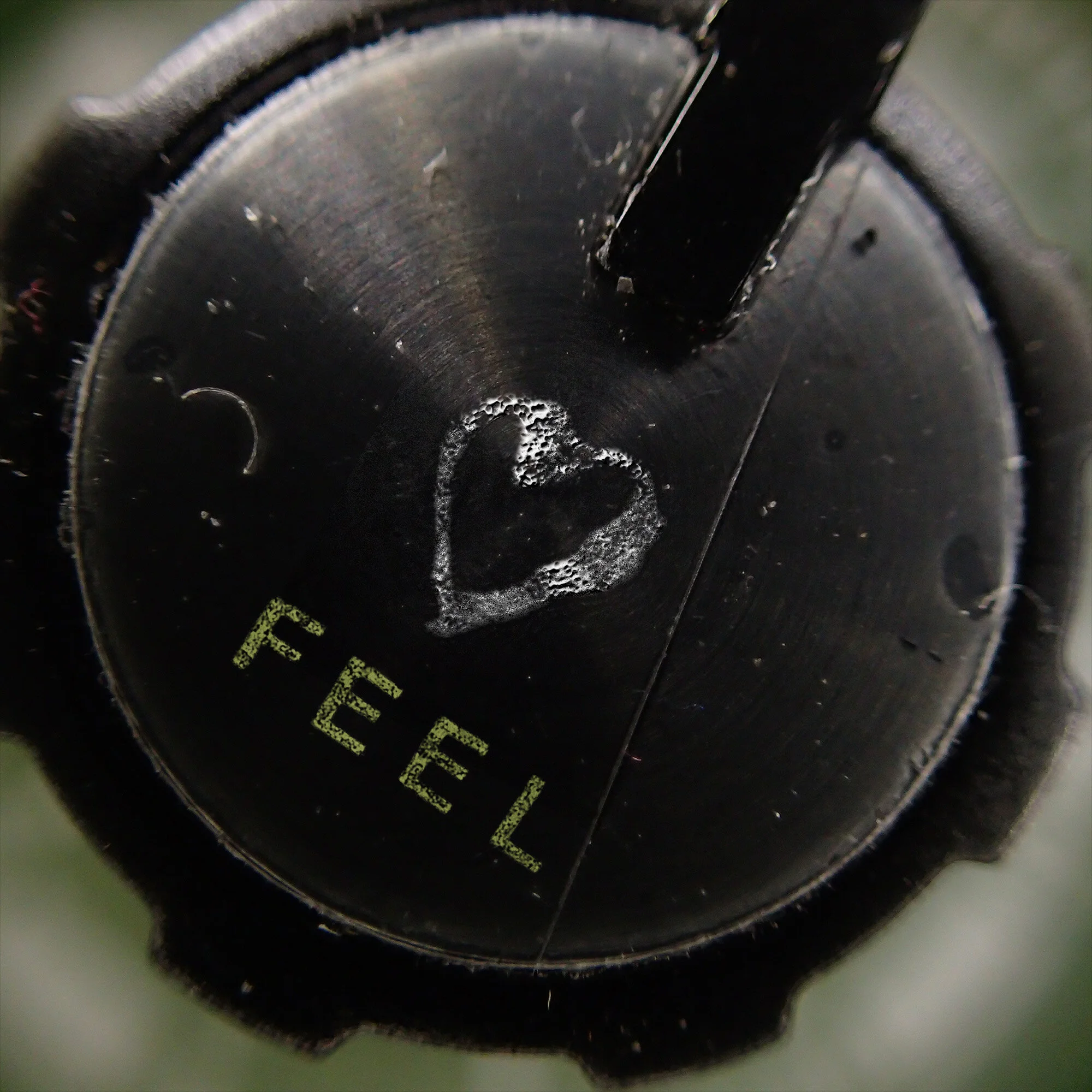
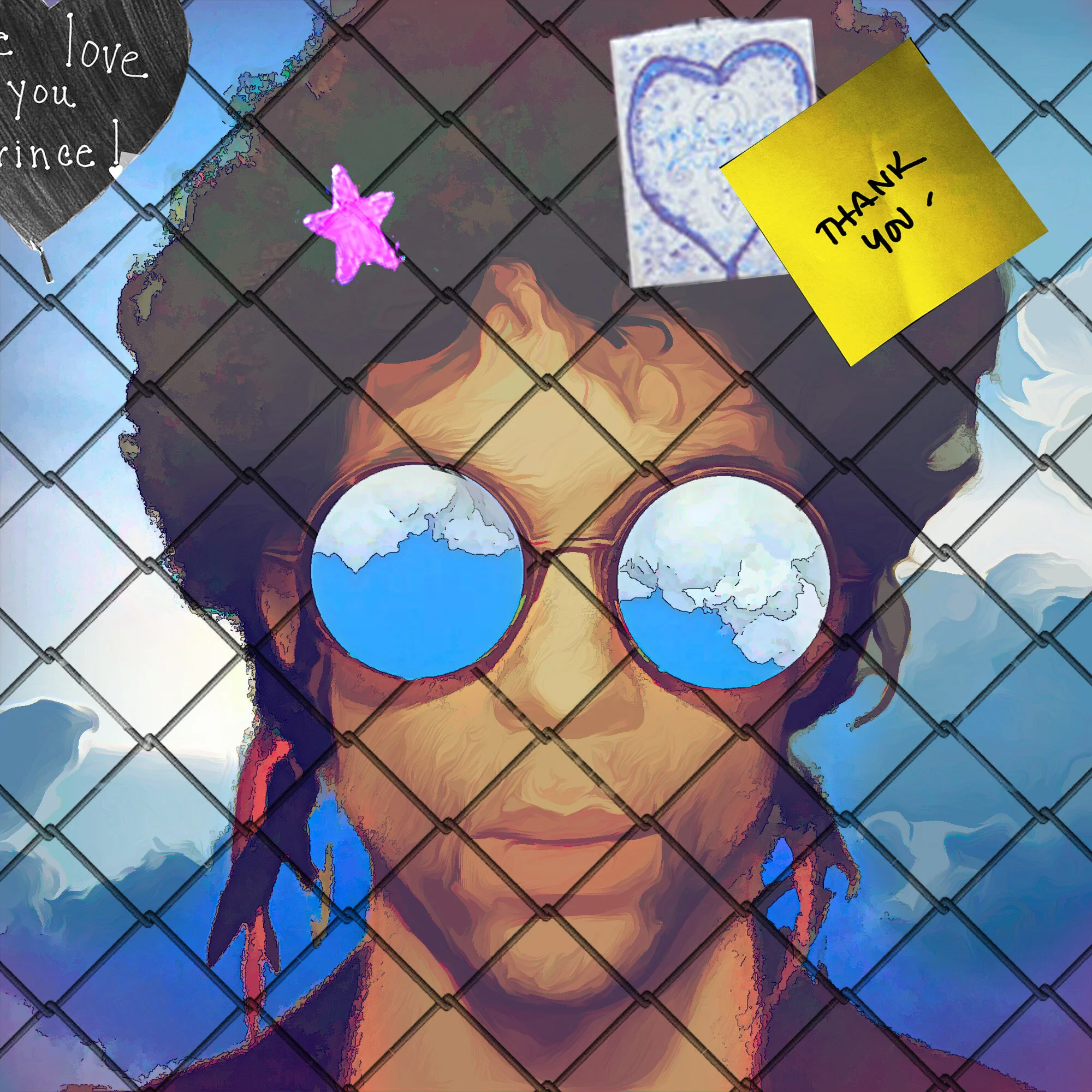
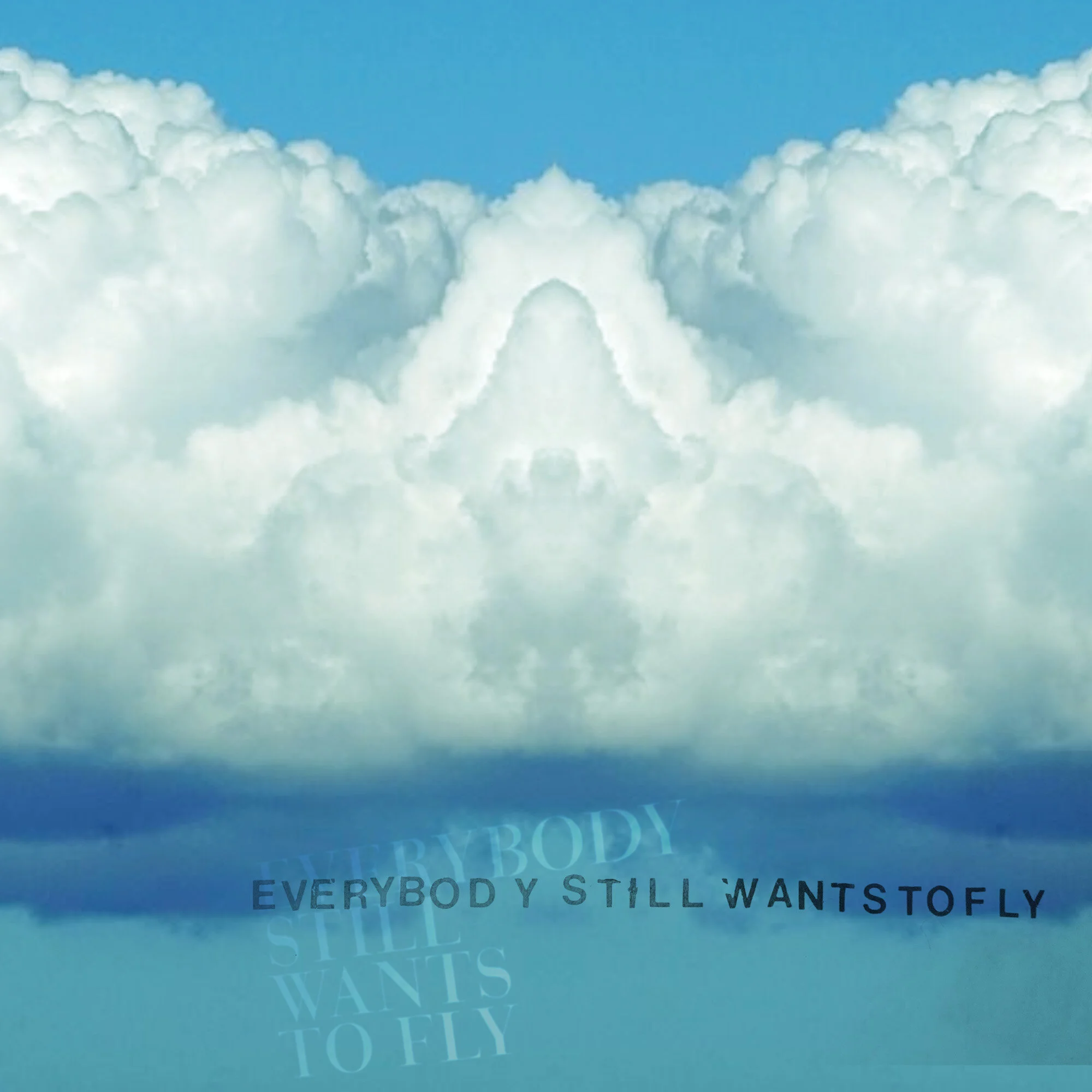
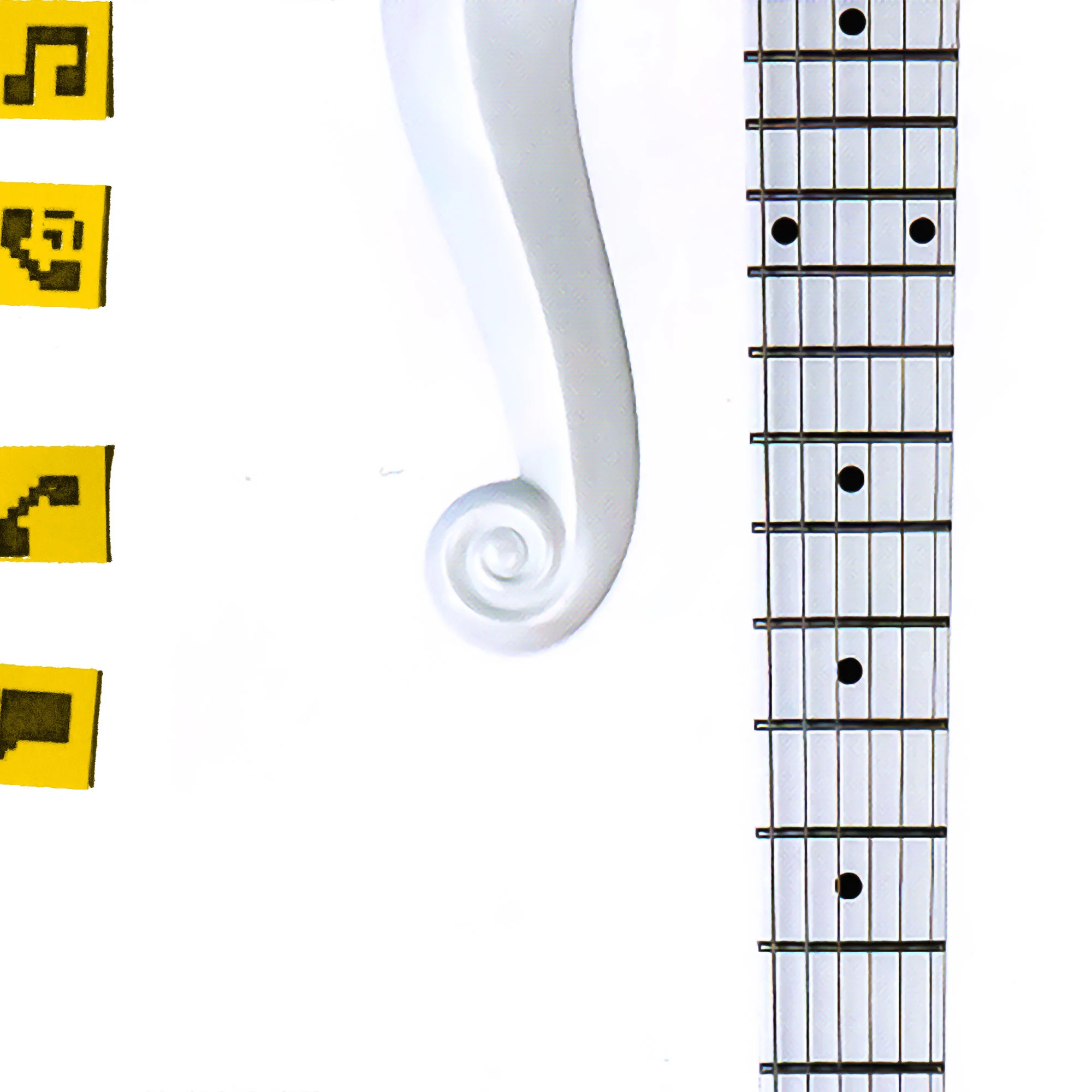
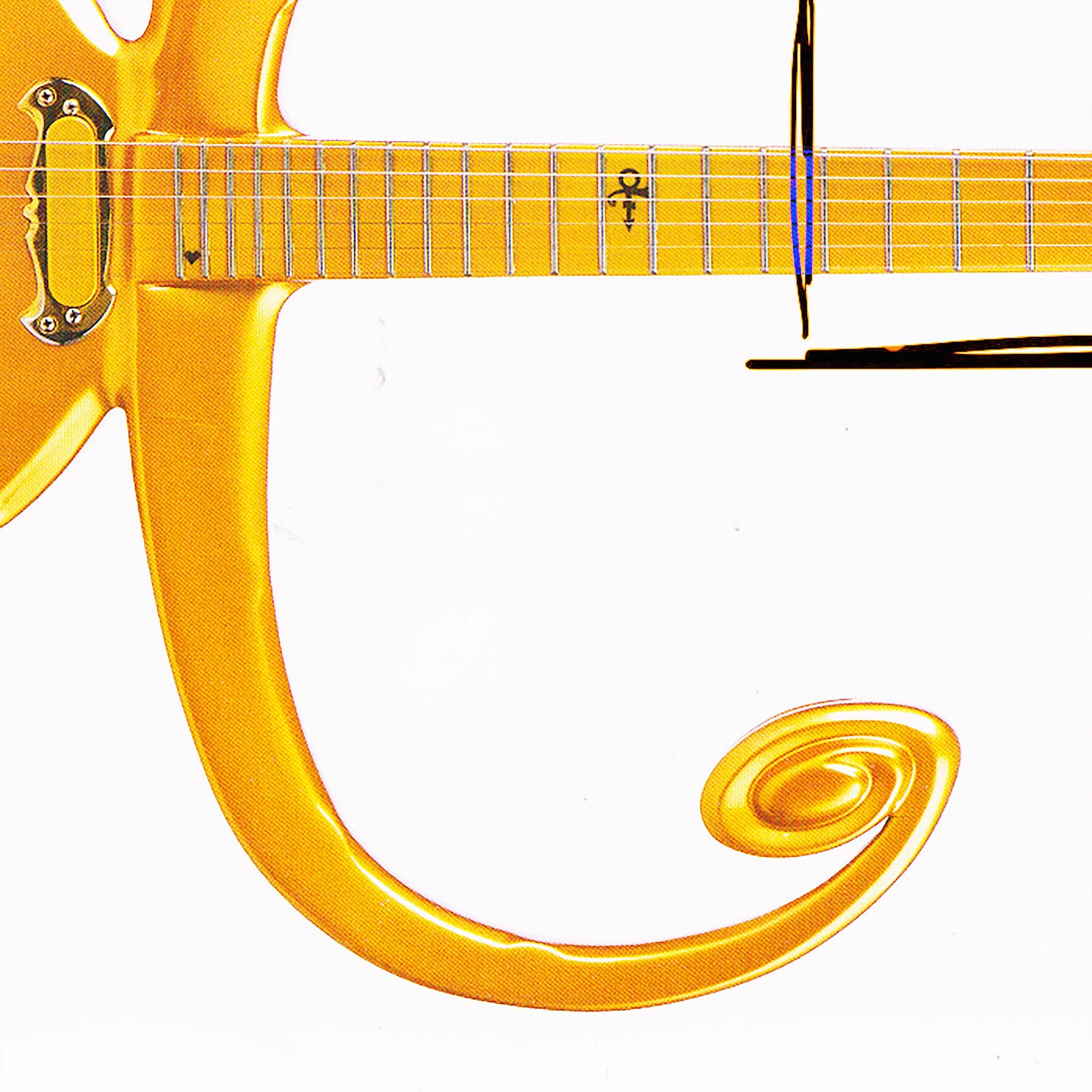
Ms. Heck developed the images below to explore the look and feel of the film.
They refer directly to Prince’s strict visual canon in terms of palette, images, ideas, shapes, textures, and iconography.
All artwork is property of the film.